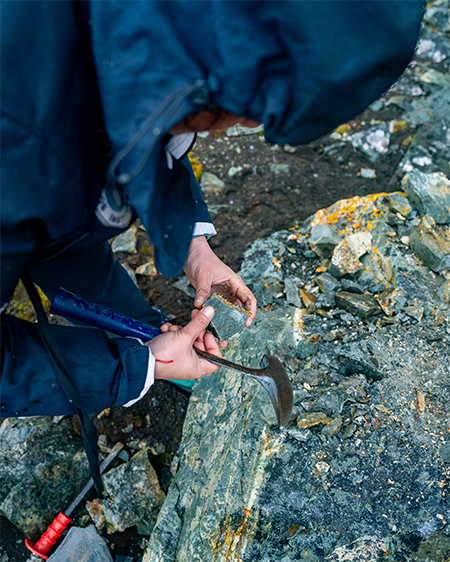
Antarctica is a unique natural laboratory offering opportunities for research that cannot be carried out anywhere else on the planet. According to Article 2 of the Antarctic Treaty, the continent is “dedicated to peace and science” — a principle fully adopted and implemented by the Bulgarian Antarctic Program. Since the beginning of Bulgarian Antarctic research in 1987, a total of 33 Antarctic expeditions have been successfully completed. Since 2022, the Bulgarian Antarctic expeditions have been supported by the scientific research military vessel RSV 421 “St. St. Cyril and Methodius.” With the help of NIK 421, the research area has expanded and now includes the entire region of the South Shetland Islands.

National Scientific Program
Since 2017, two consecutive national scientific programs have been implemented at BAB:
- National Program for Polar Research (NPPI) 2017–2022
- NPPI “From Pole to Pole” 2022–2025
A key component of both programs is securing sustainable funding for scientific projects through competitive procedures. The program is entirely funded by the Ministry of Education and Science and outlines the long-term vision for:
-
conducting high-quality research with global significance
-
supporting the career development of Bulgarian scientists
-
providing science-based solutions
-
promoting and communicating science to the public — especially to young people, pupils, and students
International Cooperation
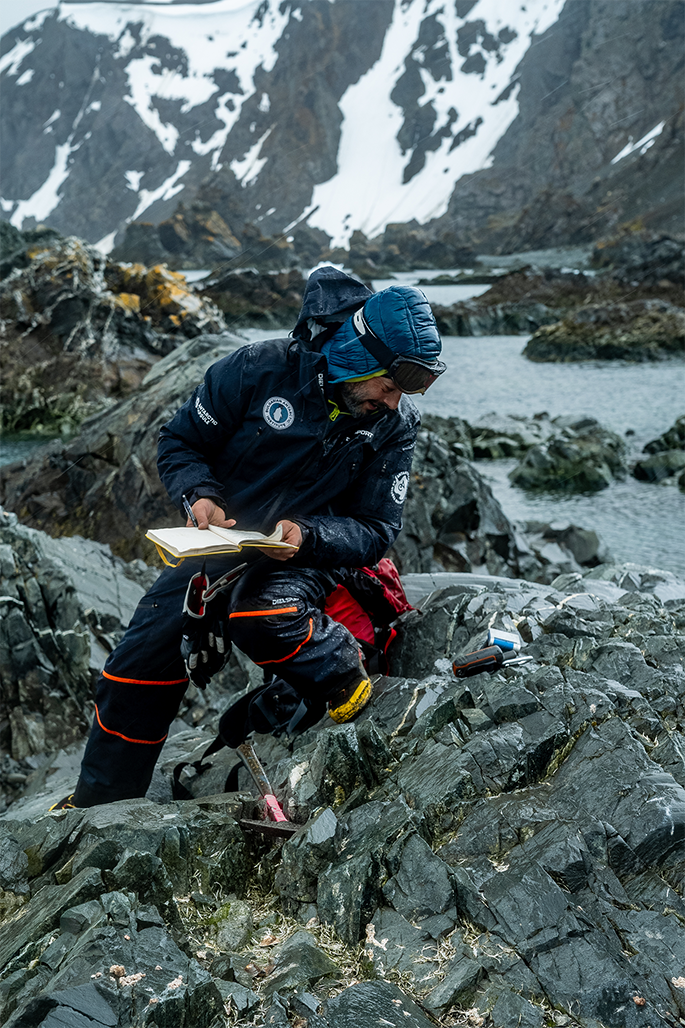
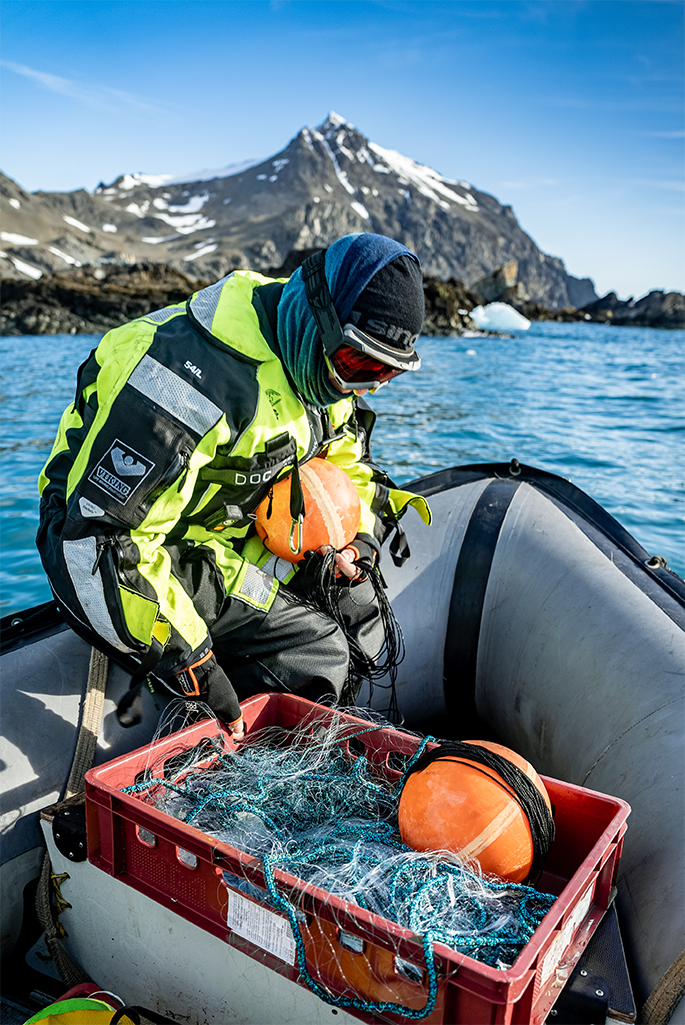
The Bulgarian Base on Livingston Island serves as a working platform for both Bulgarian and foreign researchers. Over the last three decades, “St. Kliment Ohridski” has hosted more than 400 scientists and experts from over 25 countries.
The long-term partnerships established with national polar programs and scientific institutes from other countries support:
-
joint expeditions
-
collaborative scientific projects
-
data exchange
-
coordinated monitoring activities
These partnerships strengthen Bulgaria’s standing within the international polar research community.
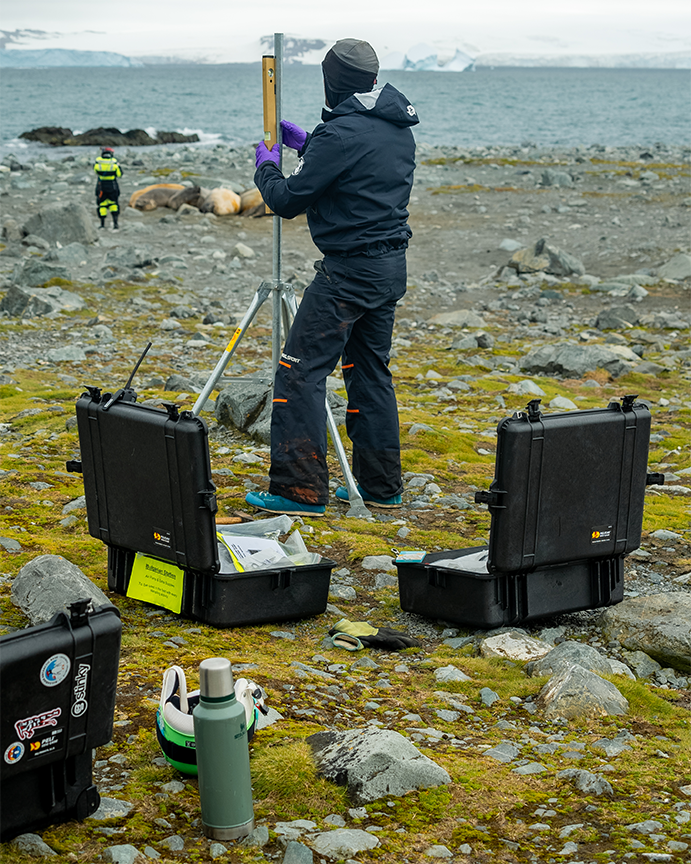
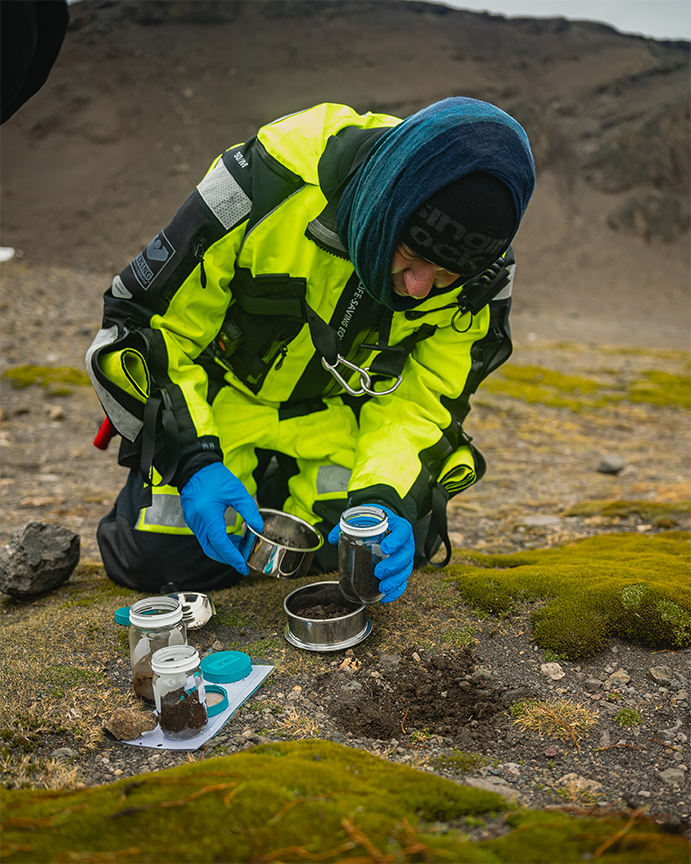
Research Directions
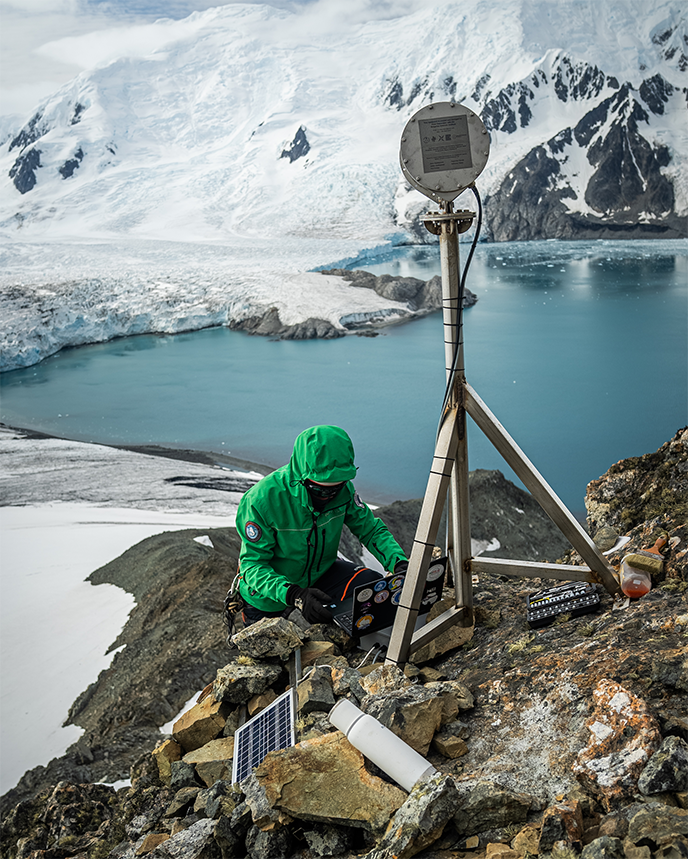
The scientific activities outlined in the National Program for Polar Research (NPPI) are strategically and thematically aligned with global scientific priorities for the polar regions (adapted from the SCAR Horizon Scan). They are organized into the following seven cluster groups:
-
Atmosphere over the polar regions and its global impact
-
Polar oceans and sea ice in a warming world
-
Polar ice sheets and sea-level change
-
The dynamic landscapes of Antarctica and the Arctic
-
Polar ecosystems on the brink
-
Near-Earth space and beyond — a look into the sky
-
Human presence in the polar regions
The program encourages:
-
interdisciplinary projects
-
participation of teams from various scientific fields
-
involvement of PhD students and young scientists
-
projects conducted with international partners
Participation in International Scientific Structures
Bulgaria actively participates in:
-
COMNAP (Council of Managers of National Antarctic Programs)
-
Working groups of SCAR (Scientific Committee on Antarctic Research)
-
Meetings of the Antarctic Treaty System (ATS)

-
Bulgarian scientists who have worked at BAB
-
Foreign scientists who have worked at BAB
-
Bulgarian scientists who have worked at other bases
Long-term Monitoring
Data collected from long-term environmental observations are provided to international monitoring networks and global initiatives such as:
-
PERMANTAR – permafrost monitoring
-
The global GNSS receiver network
-
LTER (Long-Term Ecological Research), where Livingston Island is an officially designated monitoring site