Beginning of Bulgarian Presence in Antarctica and the First Bulgarian Antarctic Expedition (1987–1988)
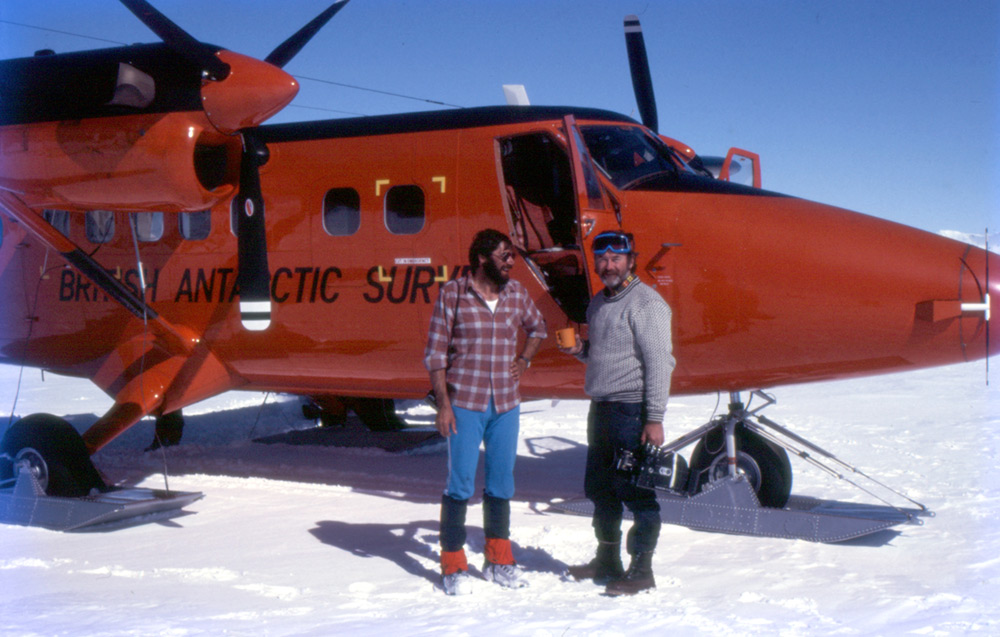
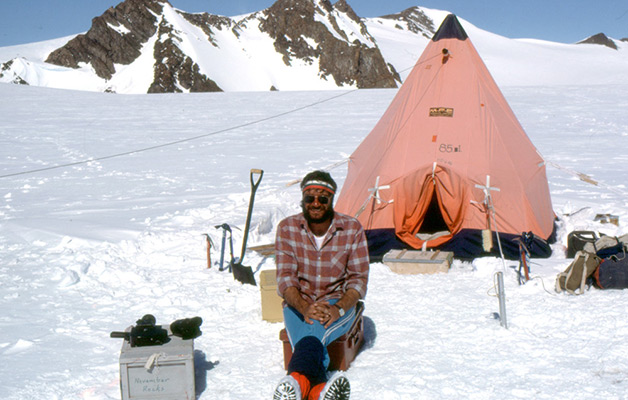
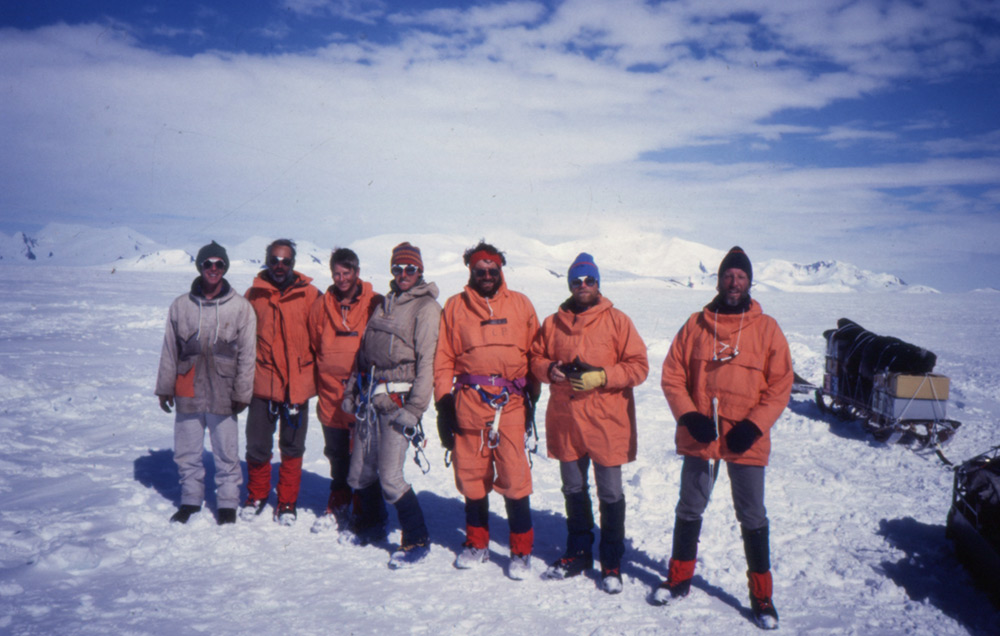
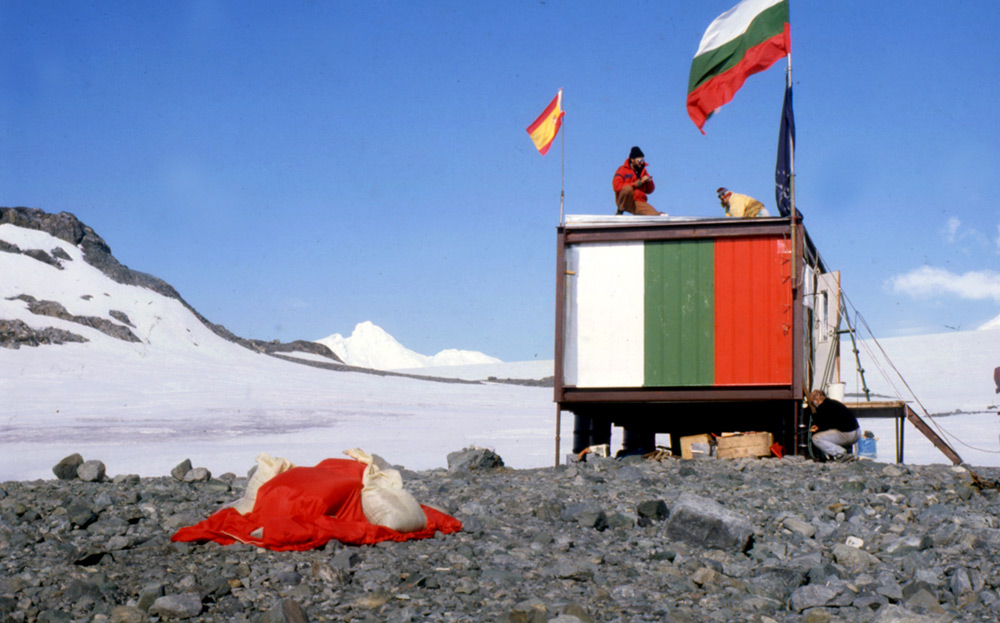
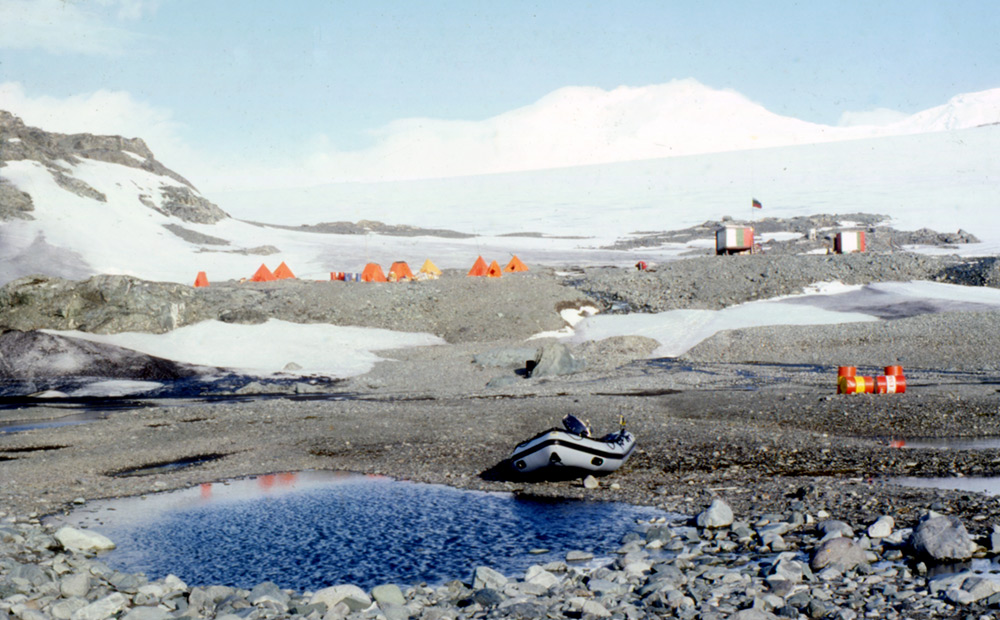
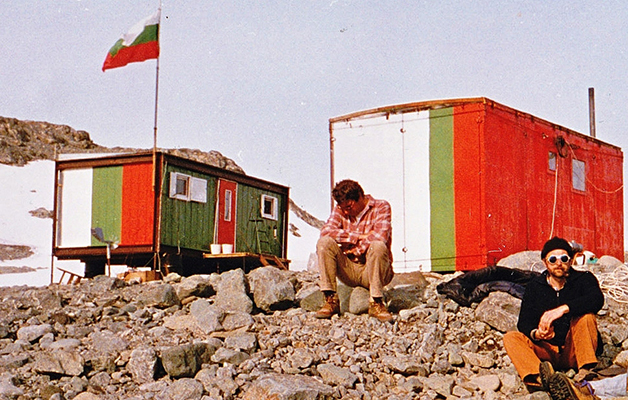
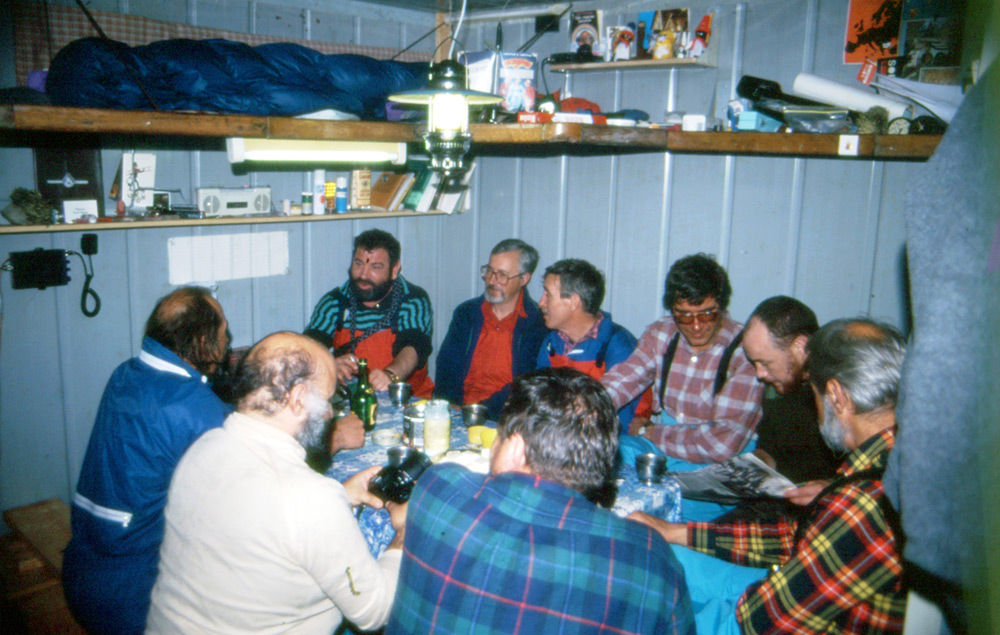
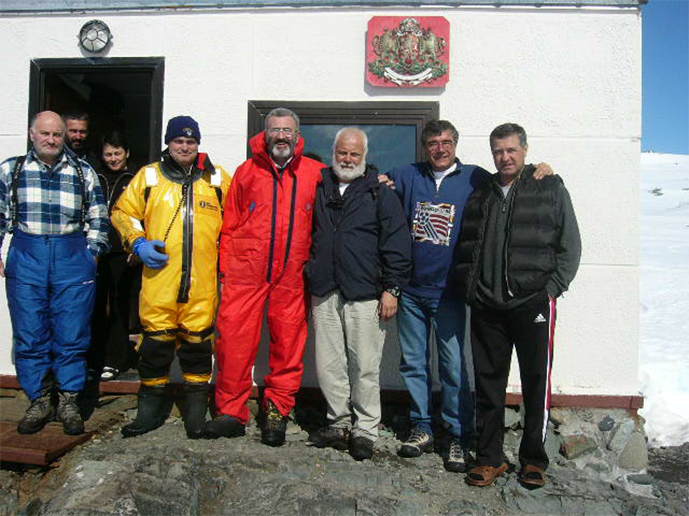
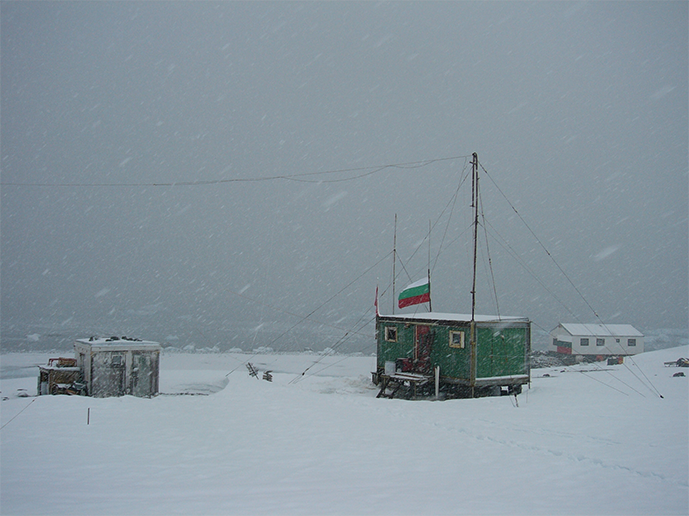
Bulgaria began its scientific activity in Antarctica in 1967, when Bulgarian scientist and meteorologist Tsontcho Chapanov, as part of the 13th Soviet Antarctic Expedition, set foot on the Ice Continent. Twenty years later, during the 1987–1988 polar summer season—through cooperation with the British Antarctic Survey and the Soviet Arctic and Antarctic Research Institute—a Bulgarian scientific team of six people joined an expedition to Antarctica and carried out the First Bulgarian Antarctic Expedition. That same year, a small shelter was established on Livingston Island, laying the foundation for the creation of the base “St. Kliment Ohridski.” Bulgaria thus joined the group of nations with a permanent presence in Antarctica and its own scientific infrastructure.
Development and Infrastructure (1993–2000)
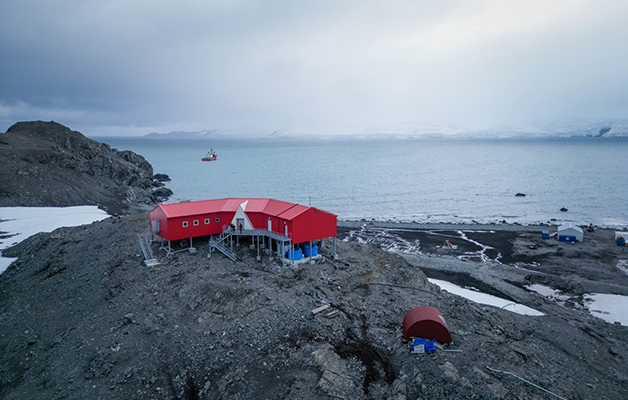
In 1993, after a brief interruption, activities at the base resumed, and its infrastructure began gradually expanding. The first permanent buildings were constructed, including the Main House (1996), technical facilities, and essential installations. This enabled longer stays and sustained scientific research by Bulgarian teams working in various scientific fields.
Strengthening Status and International Cooperation (2001–2010)
During the first decade of the 21st century, the base became a permanent seasonal scientific center. Collaboration with foreign institutions increased, including cooperation with the Spanish Polar Program. During this period, additional residential, laboratory, and service facilities were built.
In 1998, Bulgaria obtained Consultative Party status under the Antarctic Treaty, granting voting rights at annual consultative meetings—a recognition of the significance of Bulgaria’s scientific contribution on the continent.
In 1998, the Orthodox Chapel “St. Ivan Rilski” was also inaugurated—the first Eastern Orthodox temple in Antarctica, symbolizing Bulgaria’s spiritual and cultural presence there.
Modernization and Scientific Capacity (2011–Present)
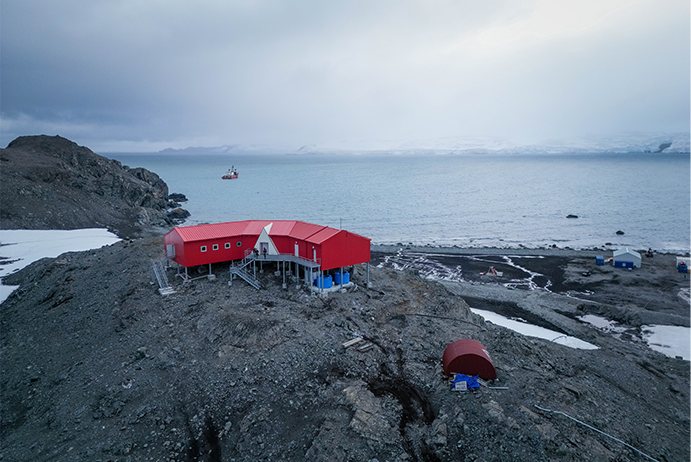
After 2012, large-scale modernization efforts began. The Bulgarian Antarctic Base—recognized as a unique scientific infrastructure within the National Roadmap for Research Infrastructure—saw the construction of:
-
a new laboratory block with modern equipment
-
new residential modules
-
upgraded sanitary systems
-
sustainable waste-management installations
-
new logistics warehouses
These improvements greatly expanded the base’s capacity for accommodation and advanced scientific research of global importance.
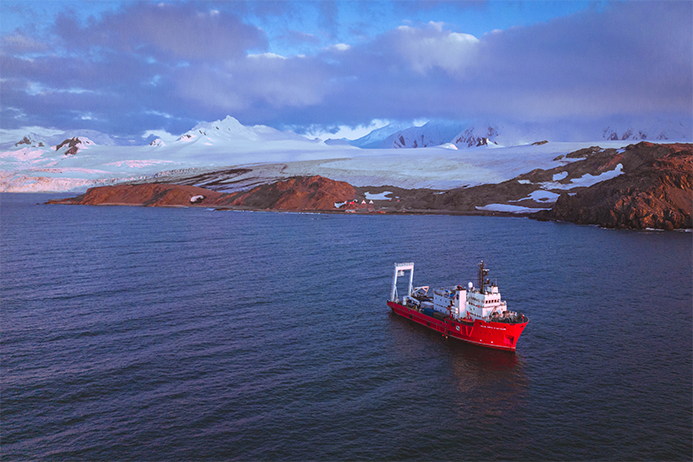
Scientific activities grew in new directions, international cooperation increased, and with the support of the research vessel NIK 421, the geographic scope of scientific research across the South Shetland Islands expanded.
Current Status and Role
Today, “St. Kliment Ohridski” Base functions as the primary platform for scientific research within the Bulgarian Polar Program. It provides opportunities for fieldwork by Bulgarian teams and supports international scientific collaborations.
With over 35 years of presence on the Ice Continent, Bulgaria stands among the active contributors to global efforts to study and protect Antarctica in the context of climate change.
